Cafe latte on a table, warm and intimate

Real people. Real memoirs.

Three people. Three conversations with Frank. Here's who they are — and what their chapters sound like.

Warm sepia portrait — retired nurse from Milwaukee
Memoir

Dorothy, 71

Retired nurse, Milwaukee

Dorothy thought her life was ordinary. She raised three kids in Milwaukee, worked the night shift at St. Luke's for 28 years, and made the best pot roast in her church group. What surprised her was how much the book ended up being about hands — her mother's hands kneading dough, her own hands holding a newborn in the NICU, her husband's hands on the steering wheel of his old Chevy.

~250 pages · 11 hours with Frank · "I told Frank about the night we almost lost the Henderson baby, and I hadn't spoken about that in 30 years. It needed to be in the book."

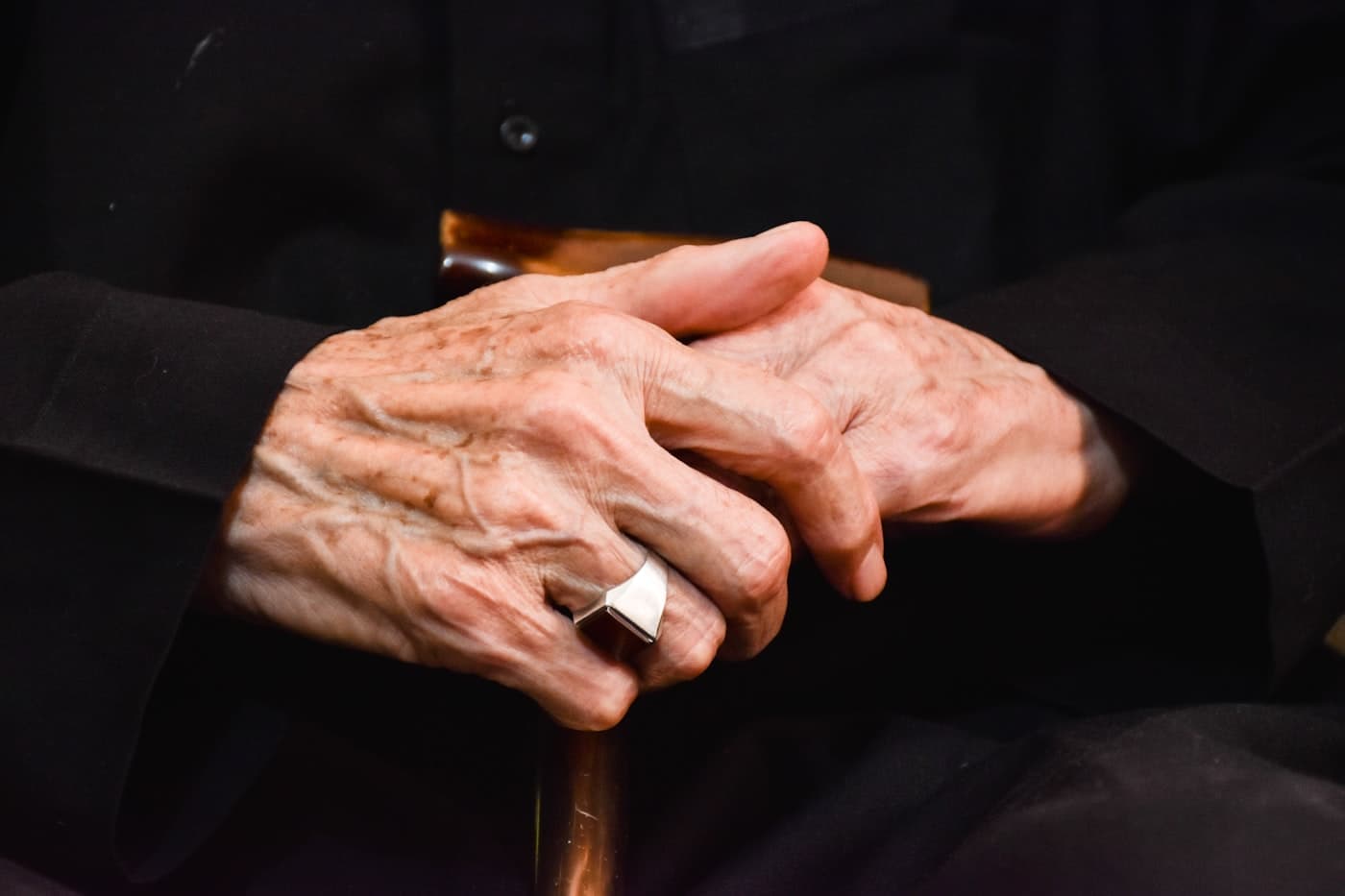
Sepia close-up of two pairs of hands intertwined on a checkered tablecloth, warm light
Chapter 3

The Night Shift

The Henderson baby came in at 2:40 in the morning on a Tuesday in February of 1987. I remember the time because I always looked at the clock when they wheeled them in — an old habit, the way you mark the beginning of something you don't yet know the end of.

She weighed four pounds and eleven ounces. Her mother was seventeen and had been alone in the waiting room for three hours. I didn't know any of this yet. I only knew what my hands knew: how to hold something that small without breaking it, how to check for the things you check for, how to keep your face still when your face wants to do something else.

We almost lost her at 4:15. I don't tell the story of what happened in those forty minutes very often. But I told Frank. And somewhere in the telling, I understood that this was the story my whole career had been building toward — not the babies we saved, though there were hundreds of those. The one we almost didn't. The 3 a.m. coffee that went cold on the counter. The way the light in that room felt different by morning.


Warm sepia portrait — retired contractor from Tulsa
Chapter

James, 76

Retired contractor, Tulsa

James didn't want a whole book. He wanted three stories — the ones he's been telling at Thanksgiving for 40 years, the ones his kids can recite by heart. Three chapters. Each one a world.

~85 pages · 3 hours with Frank · "My daughter said she could hear my voice in every sentence. That's all I needed."

Sepia photograph of two young boys in 1940s uniforms standing in front of a house, evoking family legacy
Chapter 3

Fishing on the Brazos

My father didn't talk much on dry land. That was just the truth of him — a man of nods and single syllables, comfortable with silence in a way that used to unsettle me when I was young. But put a rod in his hand, put him on the bank of the Brazos with the morning mist still sitting on the water, and something in him loosened up.

He'd tell me about his own father. About the war — not the hard parts, but the parts that were almost funny, the things that happened in between. About the first house he ever built with his hands, how he made a mistake in the framing and had to take the whole east wall down and start over, and how that was the best thing that ever happened to him because he never made that mistake again.

The last trip was October. He was seventy-four and moving slower than he let on. We drove two hours each way and caught nothing worth keeping. On the drive home, we didn't say much. I kept thinking I should say something — the kind of thing you say when you know, or suspect, that it's the last time. I didn't. I turned on the radio instead.

I've thought about that drive a lot since. And I've decided I got it right. Some things don't need saying. We'd had thirty years of Saturdays on the river. He knew.


Warm sepia portrait — Iowa farmer and hardware store owner
Heirloom

Linda's father, 83

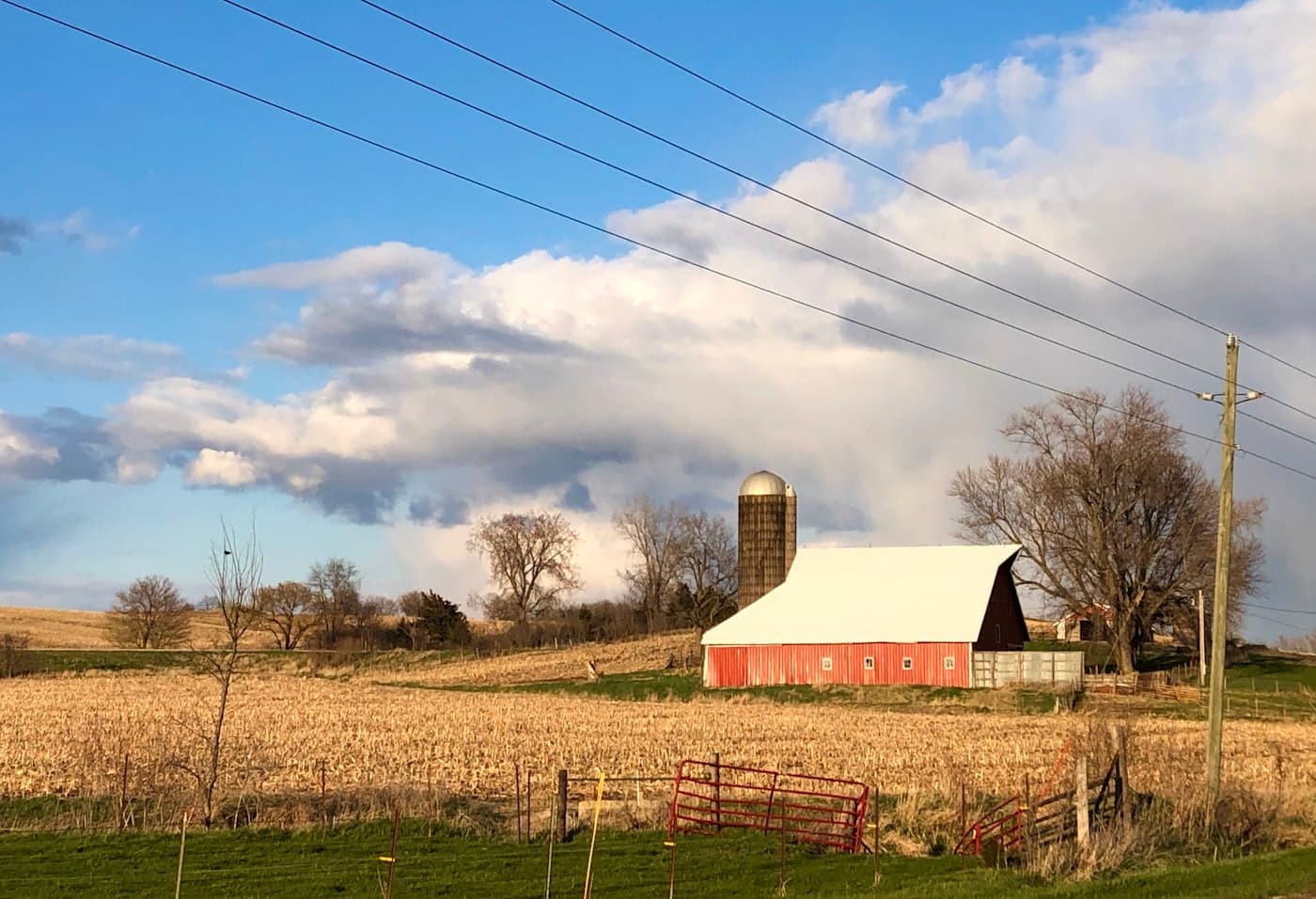
Gift from his daughter — retired farmer and hardware store owner, Iowa

Linda bought Heirloom for her father's 80th birthday. He grew up on a farm in central Iowa, served in Korea, came home and built a hardware store that ran for 40 years. He didn't think he had enough stories. Ten chapters and 24 hours later, he had a book he reads to his great-grandchildren.

~430 pages · 24 hours with Frank · "He told me he didn't have stories. By chapter five, he was calling Frank every morning before breakfast."

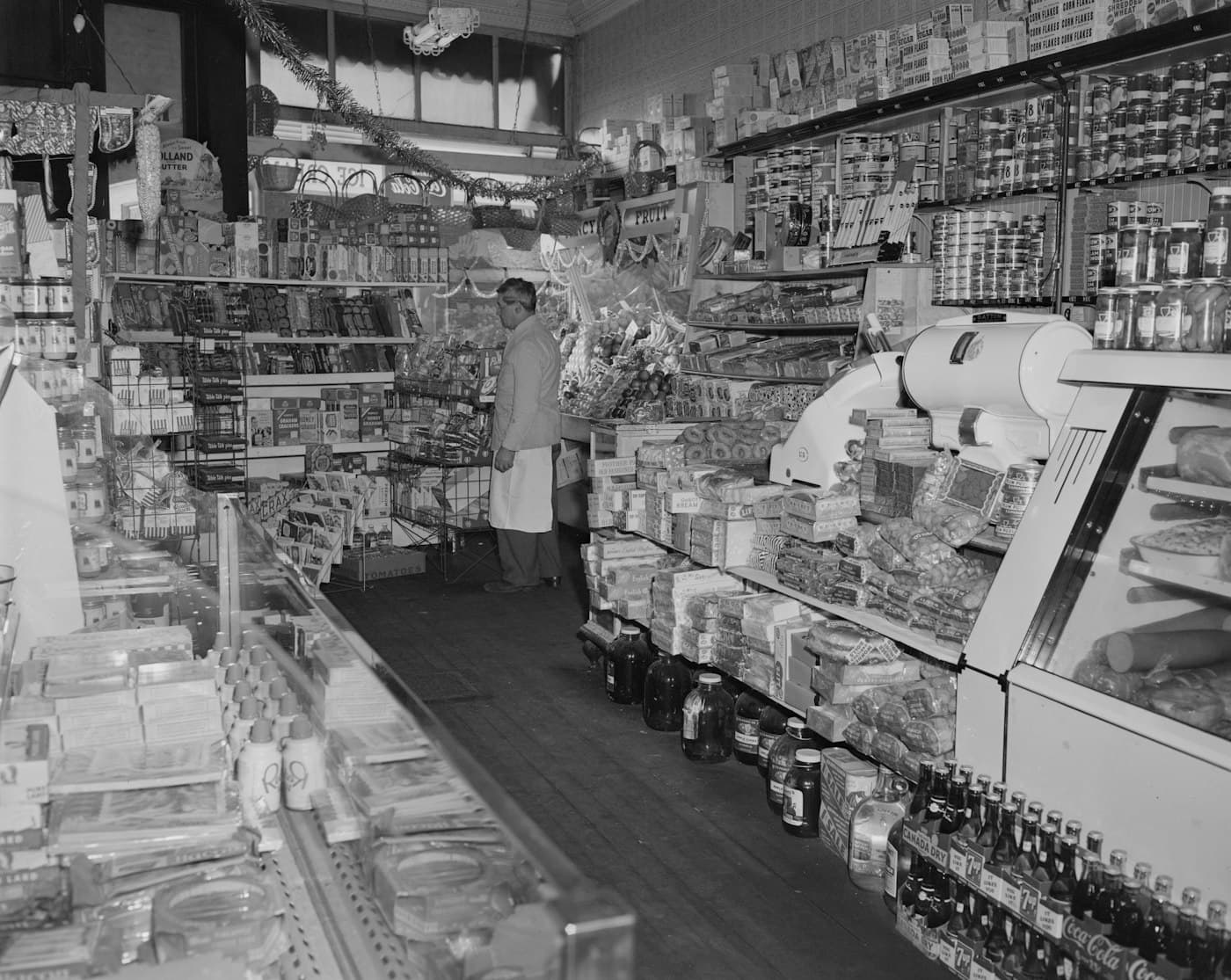
Grayscale photograph of people in a market, 1952
Chapter 6

The Store

The door had a bell on it. A small brass bell that rang every time someone came in, every time someone left. For forty years, I heard that bell. I still hear it, some mornings, just before I'm fully awake.

I opened Henderson Hardware in April of 1962 with four thousand dollars, a borrowed truck, and a list of suppliers my uncle had written out on a napkin. The first customer was a man named Garrity who needed a half-inch drill bit and spent twenty minutes telling me everything wrong with the way I'd organized the fasteners section. He was right about most of it. He came back every week for thirty years.

People brought their problems to that counter. Not just the plumbing problems, the electrical problems, the things they'd broken and were hoping I could help fix. The other kind too. I heard about divorces, about sons who'd stopped calling, about the summer places that had to be sold. I didn't say much. I found them what they needed.

There was a boy — fourteen, maybe fifteen — who came in one afternoon in the summer of 1971 and stole a crescent wrench. I saw him do it. I let him go.

He came back in 1993. Walked up to the counter, set a twenty-dollar bill down without a word. "For the wrench," he said. He had a son with him, about the same age he'd been. I gave him the change.

Excerpts from internal demonstrations. Shared with permission.

What makes the writing feel human


Your words, not ours. Every expression, every turn of phrase comes from your conversations. We shape, we never invent.
Sensory details preserved. The smell of bread, the sound of a song through the floor — these are the details that make a memoir feel alive.
Emotional honesty. We don't dramatize or soften. Your stories are told the way you told them, with all their complexity.
Literary craft. Narrative structure, pacing, and rhythm — the tools of a good writer, applied to your story.

Your story could read like this.

Every life holds chapters as rich and vivid as these. All it takes is a conversation.