Cafe latte on a table, warm and intimate

Stories that feel real

These excerpts show what a Coravio memoir sounds like — literary, intimate, and unmistakably human. Each one was born from a conversation.

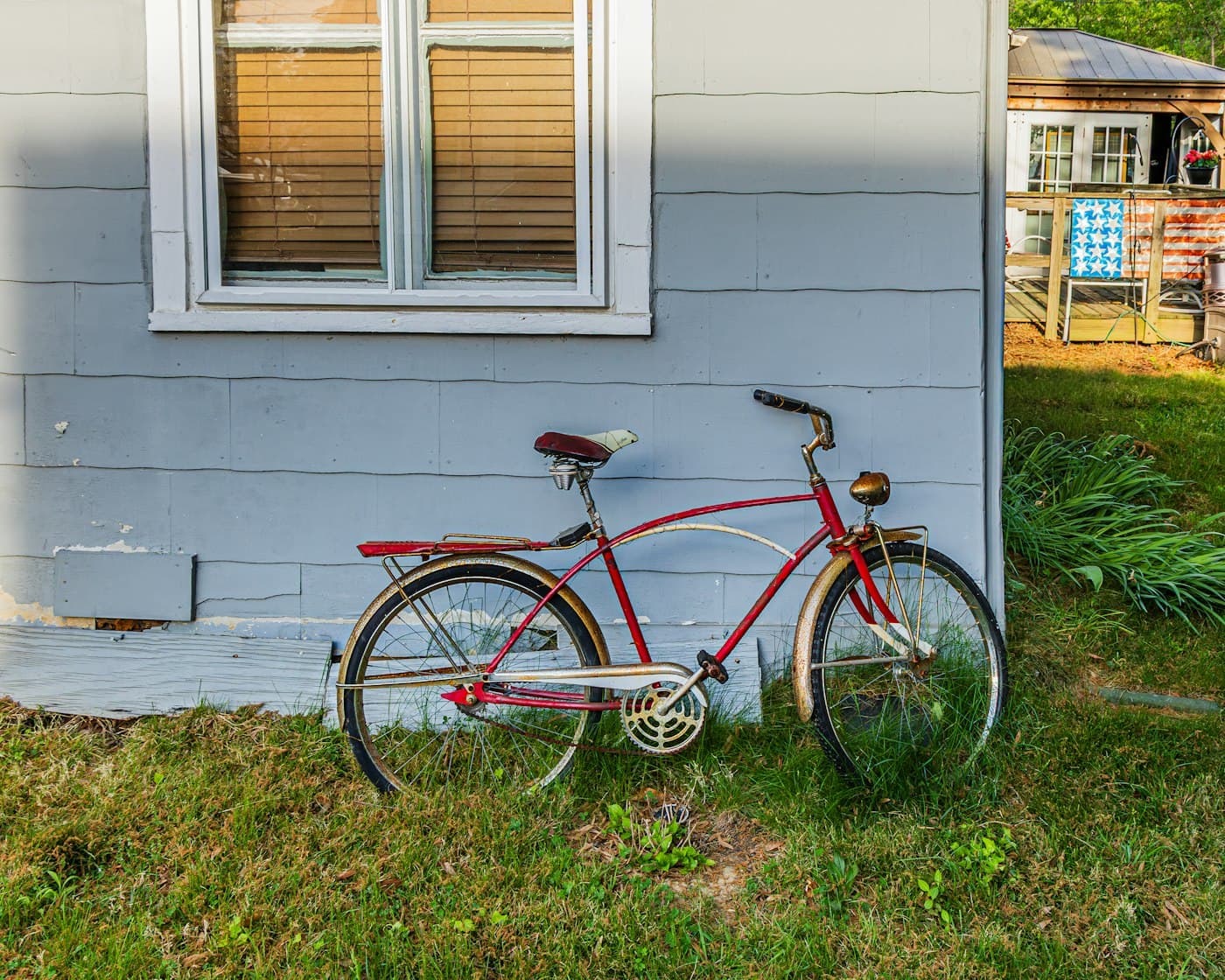
Red vintage bicycle leaning against a blue wall
Childhood

The Summer of the Red Bicycle

The bicycle was too big for me — everyone said so. My legs could barely reach the pedals, and when I stopped, I had to jump off sideways, never quite gracefully. But it was red, a deep cherry red that caught the light like something precious, and from the moment my uncle wheeled it out of his garage, I knew it was mine.

That summer, I rode it everywhere. Down the dirt path behind the church, along the creek where the old men sat with their fishing rods and didn't say much, through the parking lot of Hester's where Mrs. Patton sold peaches from the back of her truck on Saturday mornings. I rode until my knees ached and my hands were raw from gripping the handlebars.

I didn't know then that it was the last summer my grandparents would both be alive. I didn't know that the house with the green shutters would be sold the following spring, or that the creek path would eventually be cleared for a new road. I only knew the wind and the wheels and the feeling that the world was exactly the right size.
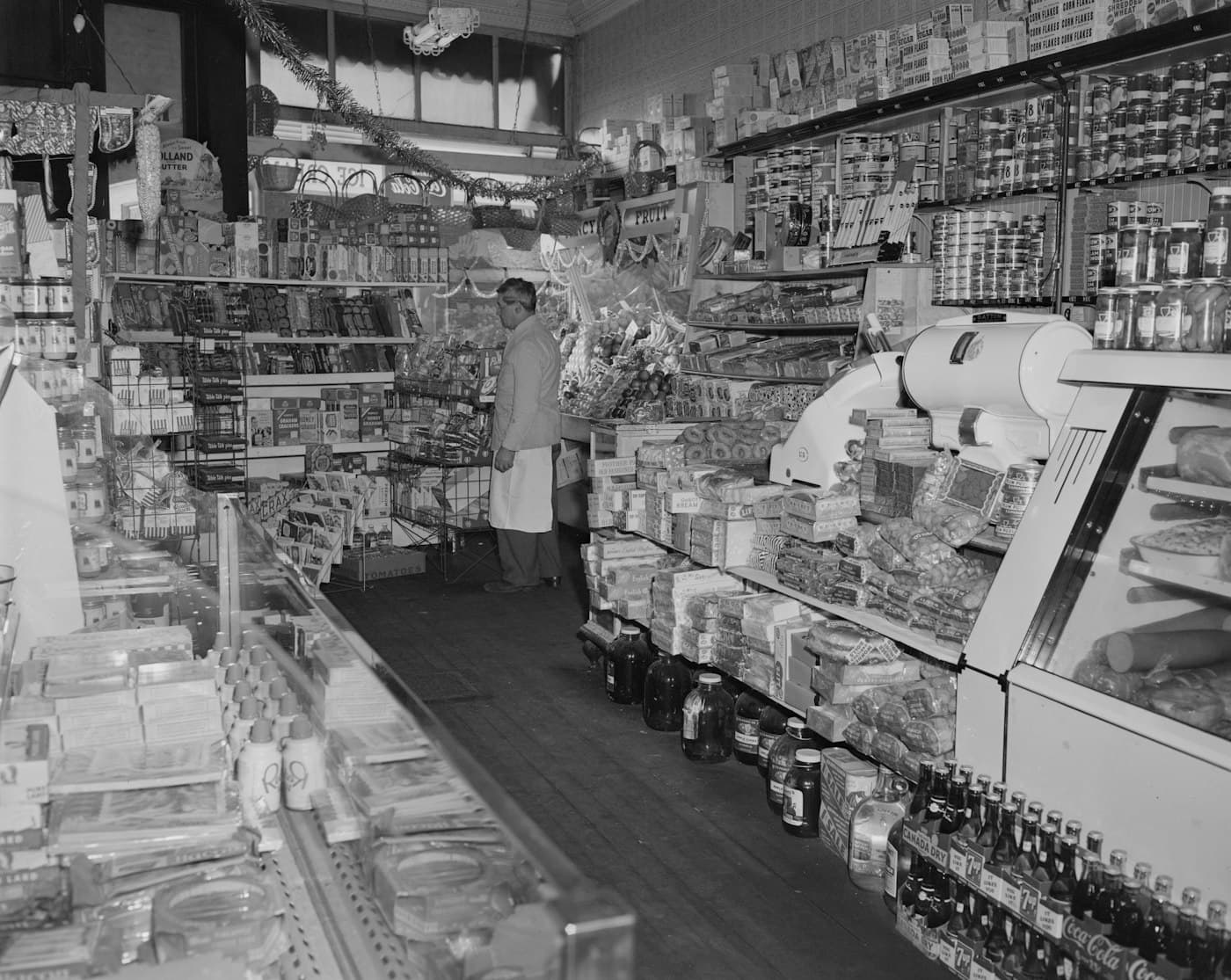
Grayscale photograph of people in a market, 1952
First Job

Kowalski's Corner Store

I was sixteen and terrified. Mr. Kowalski didn't smile — not once during the interview, which lasted exactly four minutes. He asked me if I could show up at six in the morning. I said yes. He asked me if I was afraid of hard work. I said no. He said I could start Monday.

The store was small and impossibly cluttered. The shelves had been the same way since before I was born, or so it felt — every inch packed with canned goods, paper bags, and things people didn't know they needed until they walked in. The air smelled like coffee and cold cuts and the particular dust of a place that never fully closes.

But there was a moment — always around eight, when the morning rush slowed down — when Mr. Kowalski would slice off a piece of the salami he kept behind the counter, the good kind he never put out for customers, and set it on the cutting board in front of me without a word. That was his smile. I just hadn't known how to read it.

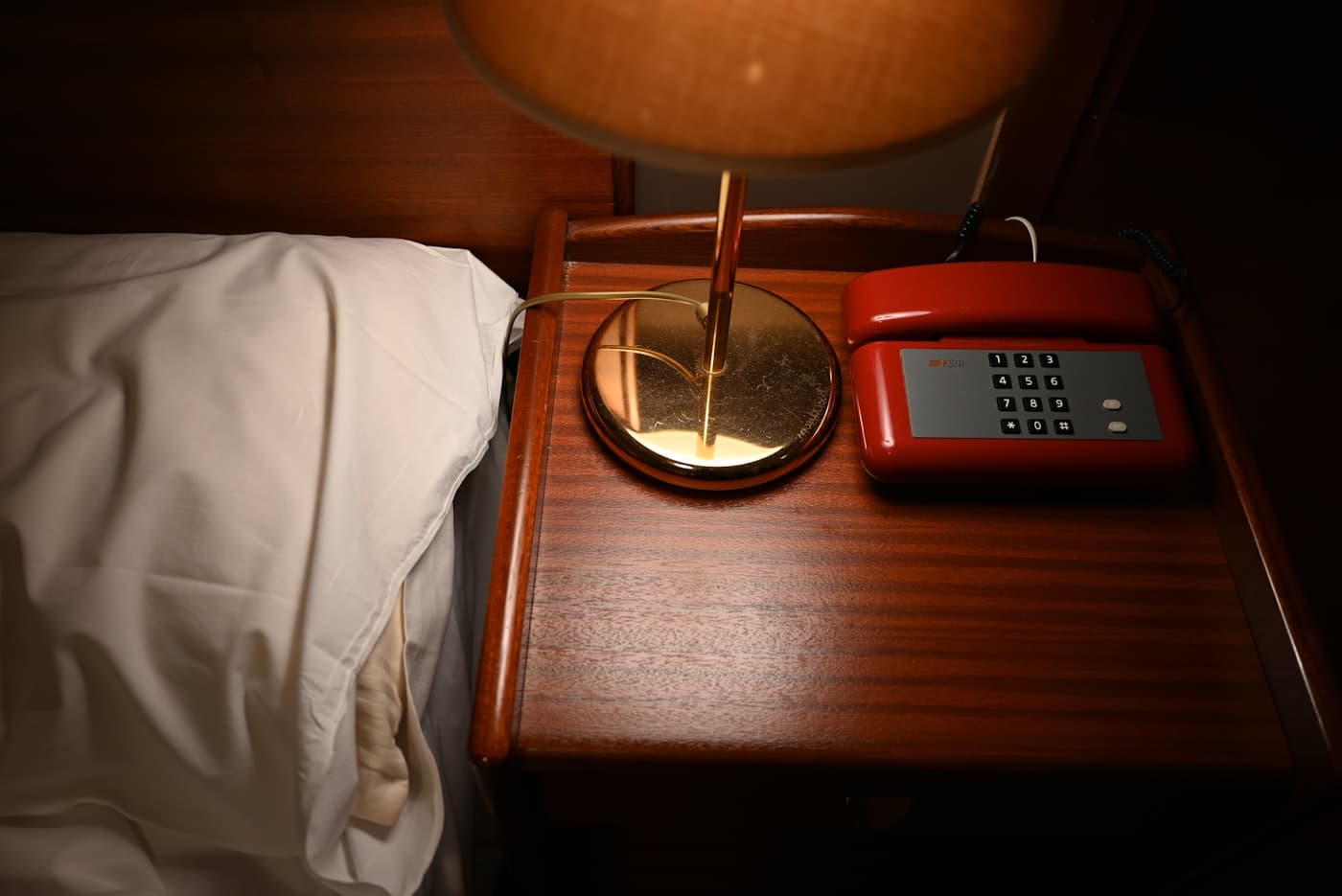
Vintage hotel room with a telephone and lamp on a table, Palermo
A Turning Point

The Phone Call at Midnight

The phone rang at 12:07 AM. I know because I looked at the clock on the nightstand before I picked up — an old habit, as if knowing the exact time might prepare me for whatever was coming.

It was my sister. She didn't say hello. She said, "Dad fell." And then there was a pause so long I thought the line had gone dead.

In the weeks that followed, everything rearranged itself. The apartment I'd been meaning to clean suddenly didn't matter. The promotion I'd been chasing at work felt absurd. I drove three hours every weekend to sit in a hospital room that smelled like antiseptic and fear, and I held my father's hand and told him stories he'd told me when I was small.

He got better — slowly, stubbornly, in his own way. But I didn't go back to who I was before that phone call. Some moments don't just change your schedule. They change the lens.

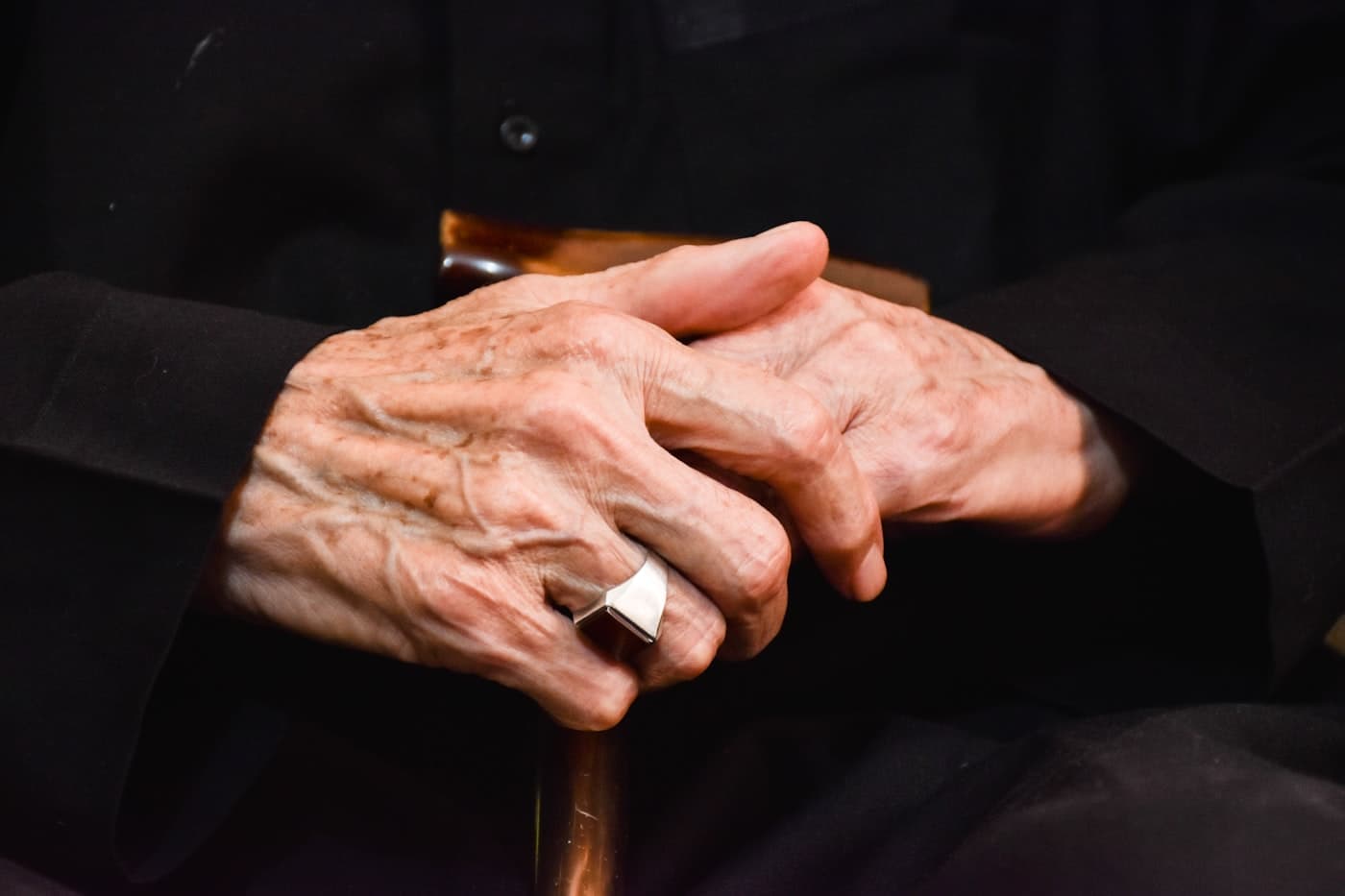
Sepia close-up of two pairs of hands intertwined on a checkered tablecloth in an American kitchen, warm light, suggesting love and generational connection
Family

My Mother's Hands

My mother's hands were never still. They kneaded dough, folded laundry, braided my hair, turned the pages of the evening paper, and reached across the dinner table to wipe something off my brother's chin — all in what felt like a single continuous motion.

She had a scar on her left thumb from a kitchen accident she refused to explain. "It's nothing," she'd say, which in our family meant it was something she'd decided to carry alone.

Years later, when I held her hand in the hospital — thinner now, the veins more visible, the skin paper-soft — I realized I had her hands. The same short fingers, the same way of curling them when thinking. I traced the place where her scar had been, faded to almost nothing, and I understood that some inheritances aren't in wills or photo albums. They're in the way you hold a cup. The way you grip a steering wheel. The way you reach for someone in the dark.

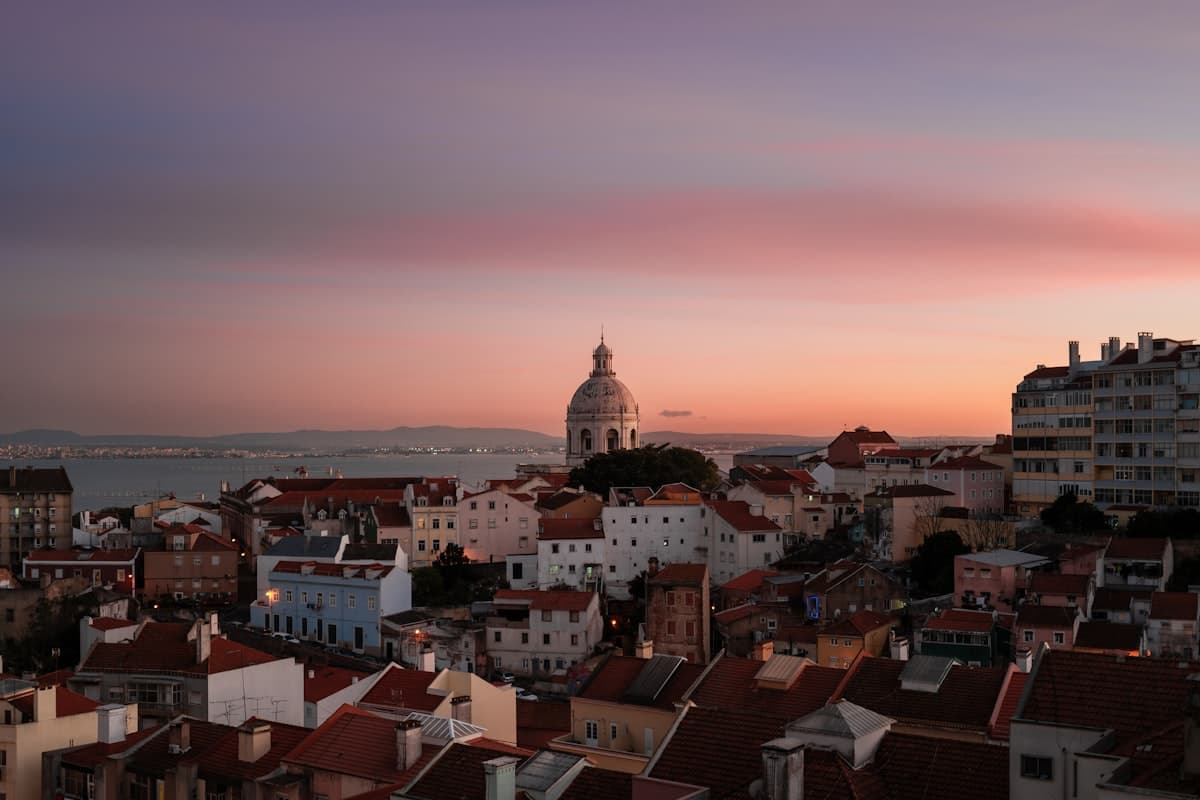
Vintage color photograph of a young American traveler in 1960s clothing standing on a hilltop viewpoint looking over a city skyline, a folded map in hand, sense of adventure and freedom
Travel

Forty Days in Lisbon

I didn't plan to stay forty days. I planned to stay five. But Lisbon has a way of convincing you that tomorrow is a better day to leave, and then tomorrow does the same thing, and before you know it, you've learned the name of the man who sells oranges on the corner and the exact time the light hits the Tagus just right.

I rented a room above a fado bar. Every night, the music came up through the floorboards — not loud enough to hear the words, just the shape of them, the ache. I'd lie in bed and let it wash over me, this beautiful sadness that wasn't mine but somehow felt borrowed.

On the last day — the real last day, the one I actually left on — I walked to the miradouro at Graça and looked out over the city I hadn't meant to love. The rooftops were the color of burnt clay. A ship was crossing the river. Somewhere below, someone was singing.

Sepia photograph of two young American boys in 1940s Boy Scout uniforms standing at attention in front of a house, serious expressions for an official portrait, evoking family history and legacy
Legacy

What My Grandfather Never Said

My grandfather was a man of few words — and even fewer explanations. He'd fought in a war he never named, worked in a factory he never described, and married a woman he never praised out loud but served coffee to every morning for forty-seven years, cup placed on the left side of her placemat, exactly where she liked it.

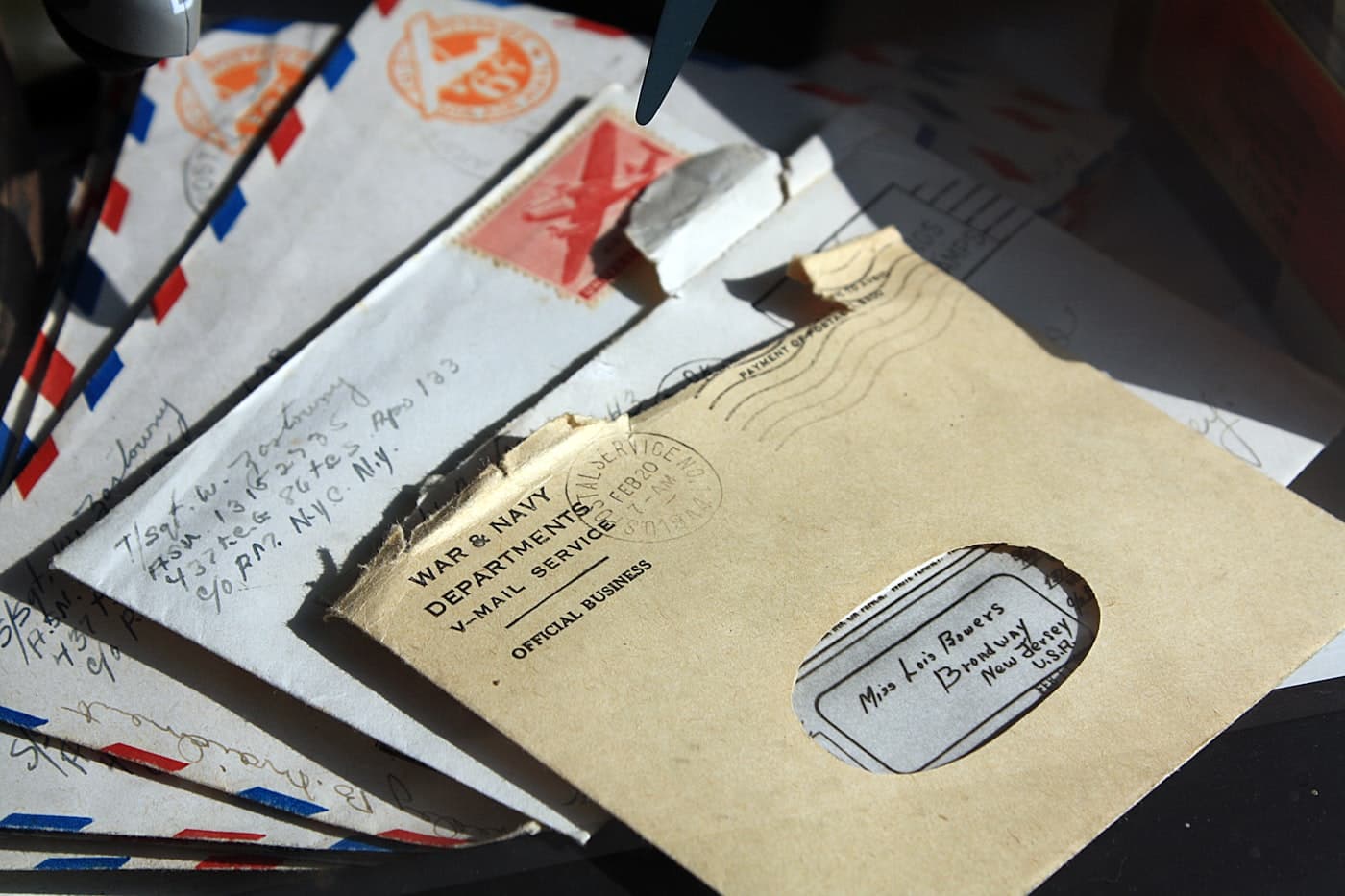
I learned most of what I know about him after he died. From letters in a shoebox. From neighbors who stopped me in the street. From my grandmother, who suddenly had so much to say now that he wasn't there to stop her.

He'd been brave, apparently. He'd been afraid. He'd once walked 7 miles in the snow to bring medicine to a stranger's child. He'd cried exactly once in public — at his own mother's funeral — and had been embarrassed about it for the rest of his life.

I wish I'd asked him. I wish I'd sat down with a cup of coffee and said, "Tell me." But I was young, and I thought he'd always be there, and I didn't yet understand that silence isn't the same as having nothing to say.

Excerpts from internal demonstrations. Shared with permission.

Your story could read like this.

Every life holds chapters as rich and vivid as these. All it takes is a conversation.

Start my memoir